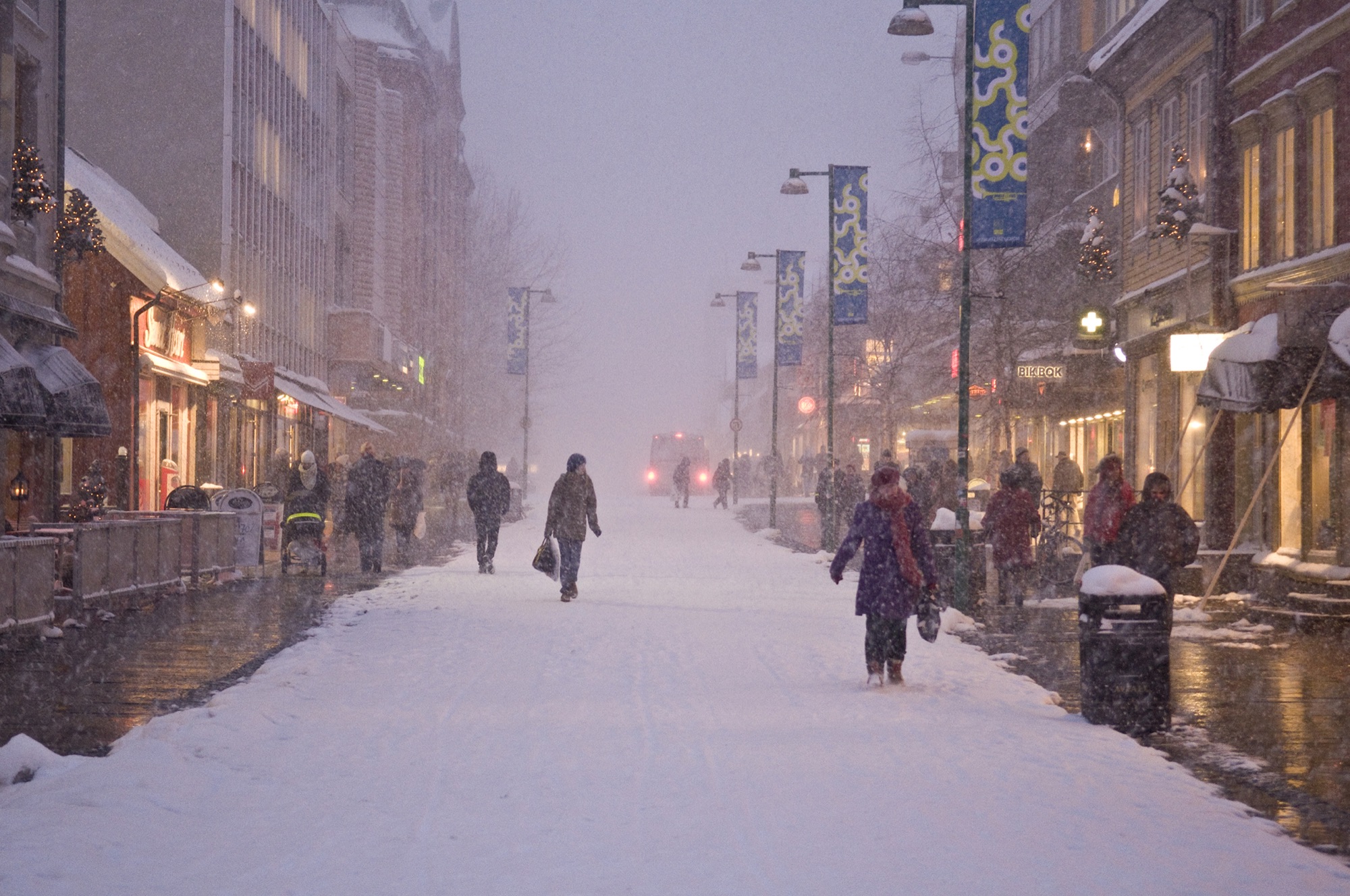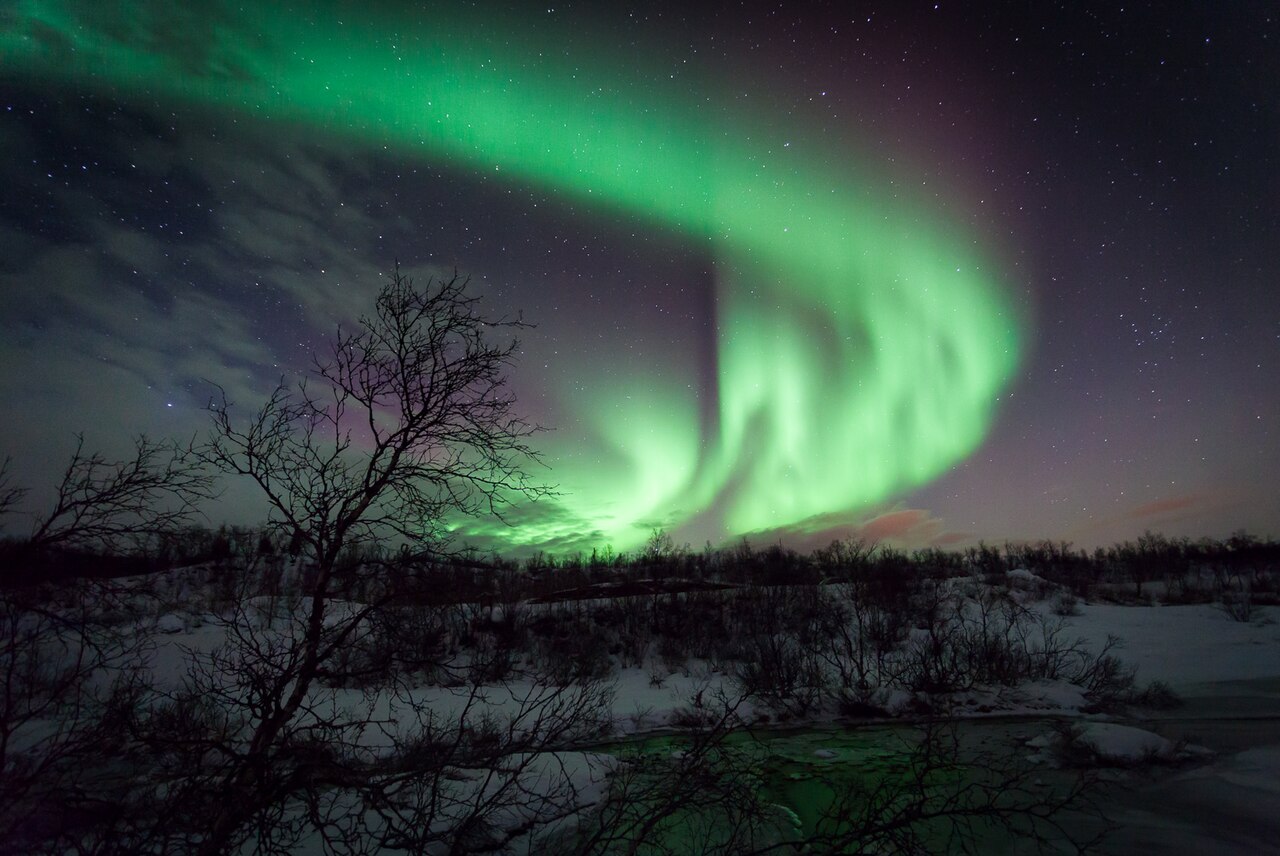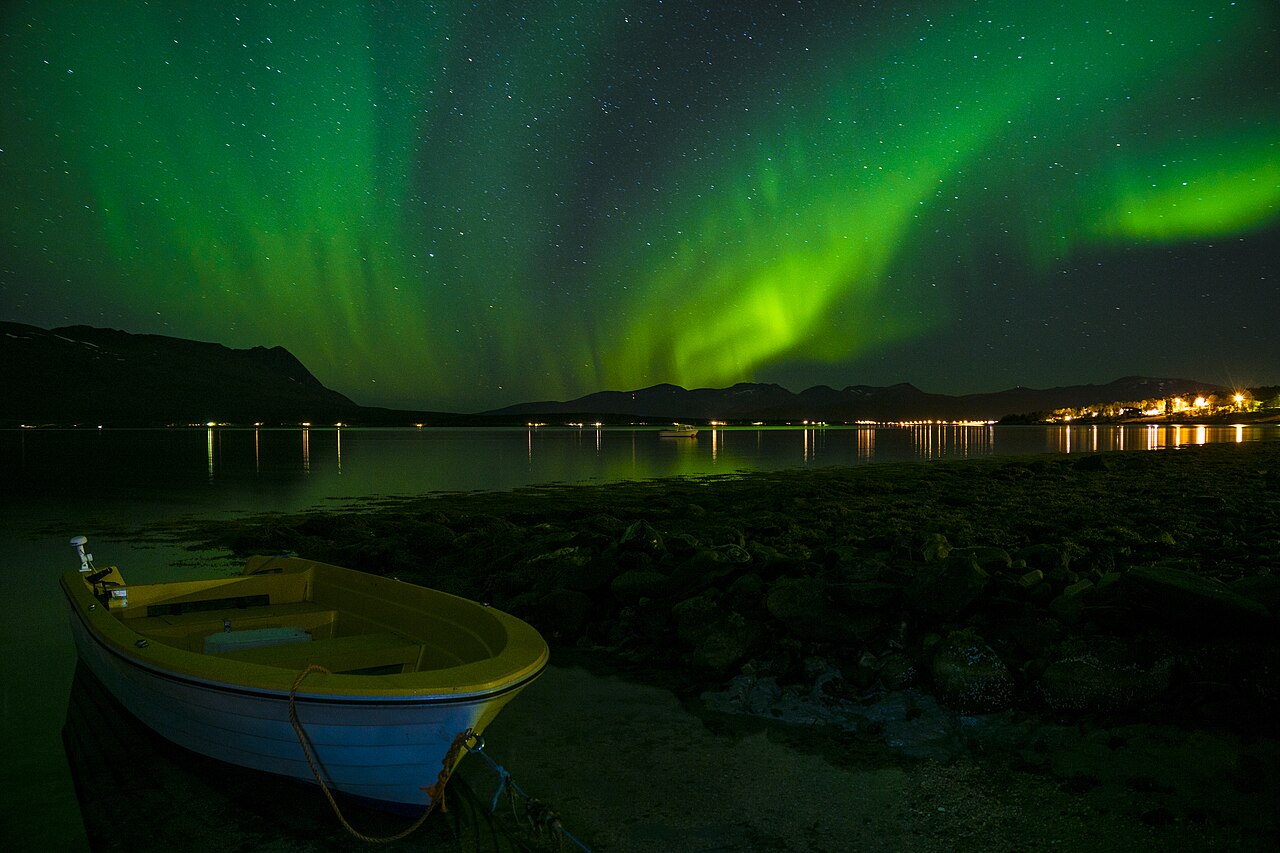
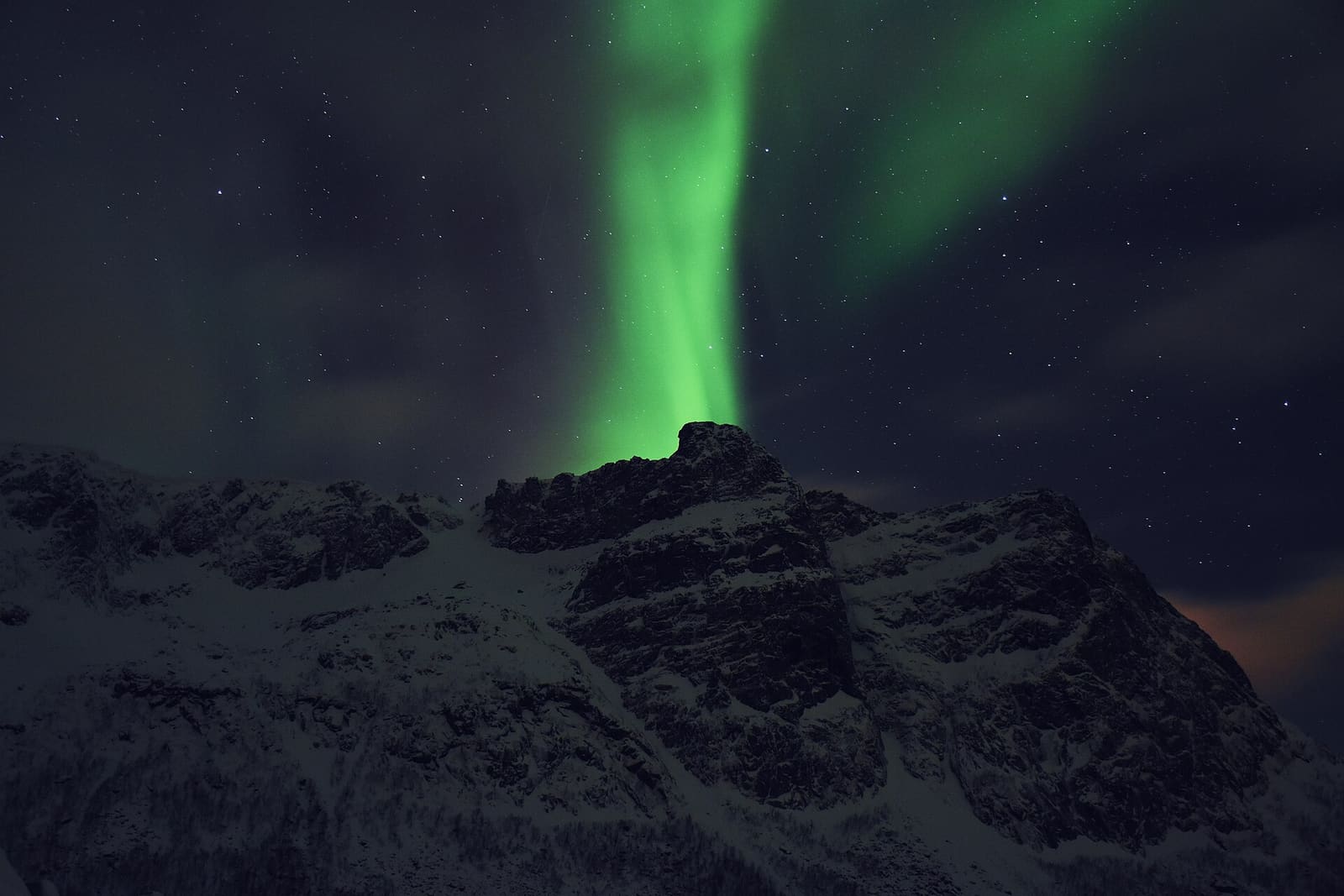
For a first winter trip to Tromsø, February or March is a useful starting point: you can combine winter activities with more daylight and dark evenings for the northern lights. Choose December for polar night, or consider November to January if whale watching is a priority.
For the midnight sun, visit from around late May to late July. Conditions and tour dates vary, so check your priorities before booking.
Tromsø month by month: which month suits your trip?
| Month | Best for | What to keep in mind |
|---|---|---|
| January | Polar Night early on, aurora and winter activities | Daylight returns during the month; check whale departures |
| February | Snow activities with more daylight | Confirm snow conditions and tour dates |
| March | Longer days and dark aurora evenings | Snow activity end dates vary |
| April | Spring light and the last dark evenings | Aurora darkness and snow tours taper off |
| May | Long days; midnight sun starts late in the month | Some trails can still hold snow |
| June | Midnight sun, fjords and outdoor time | No dark sky for aurora |
| July | Midnight sun, fjords and hiking | Midnight sun ends around 22 July |
| August | Hiking and gradually darker nights | Aurora viewing needs late-month darkness |
| September | Autumn scenery and aurora nights | Do not rely on snow activities |
| October | Dark aurora nights and autumn landscapes | Snow activity dates are uncertain |
| November | Aurora and the start of Polar Night | Whale and snow tour dates vary |
| December | Polar Night, aurora and winter atmosphere | Plan scenery around midday twilight |
December, January, February or March: which winter month is best?
December is a good choice for polar night and a wintry atmosphere. The sun stays below the horizon, but there is twilight around midday. Keep outdoor sightseeing close to that brighter window and allow several evenings for an aurora attempt.
January starts in polar night, with the sun returning during the month. It can suit a trip that combines winter activities with the usual whale-watching season, although departures and wildlife movements vary.
February offers more daylight for seeing the landscape while retaining dark evenings. March gives you still longer days and is another good choice for a winter itinerary, though snow conditions and the end dates of tours vary.
Choose December for polar night, January for a possible overlap with whales, and February or March for a balance of daylight, snow activities and aurora opportunities. None guarantees a sighting or a particular weather condition.
Best time for the northern lights
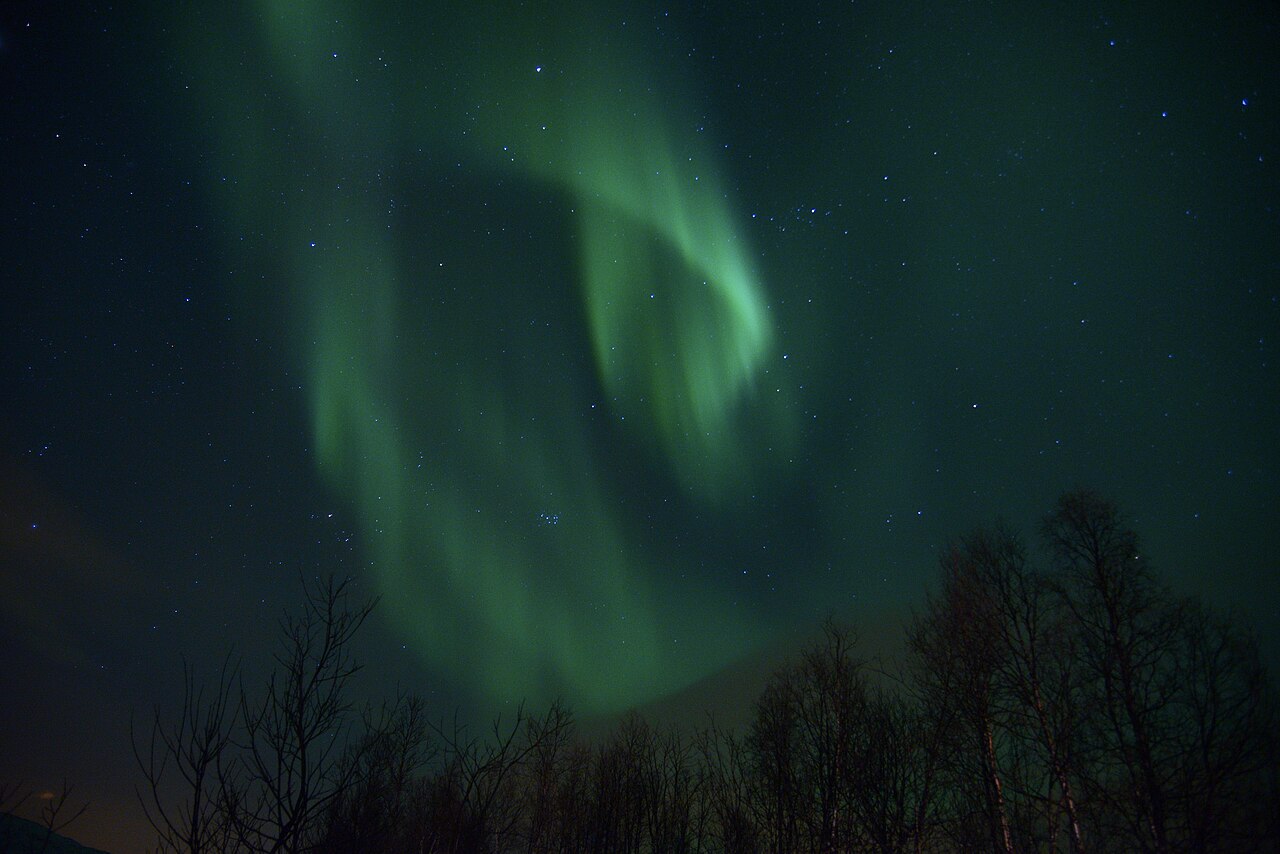
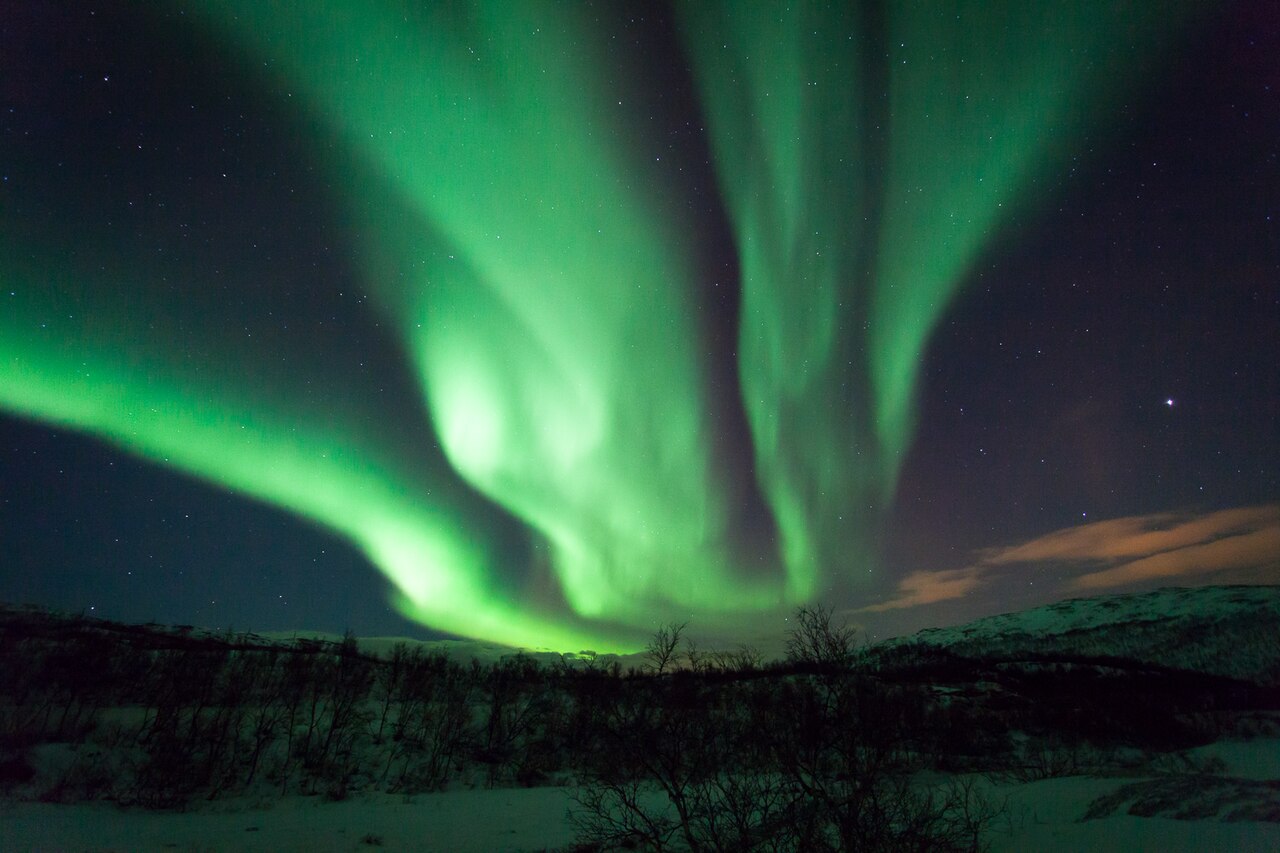
The northern lights can normally be visible from late August to early April when it is dark and clear enough. Organised tours generally operate from September into early April, depending on the provider.
Cloud and auroral activity matter on any given night, and no sighting is guaranteed. If the lights are your priority, leave more than one evening free.
Best time for snow activities
Winter brings opportunities for dog sledding, reindeer experiences and other snow outings. February and March offer more daylight than midwinter, while December and early January have the distinctive twilight of polar night.
Snow and trail conditions vary. Check the exact tour dates and what happens if an activity changes because of the weather.
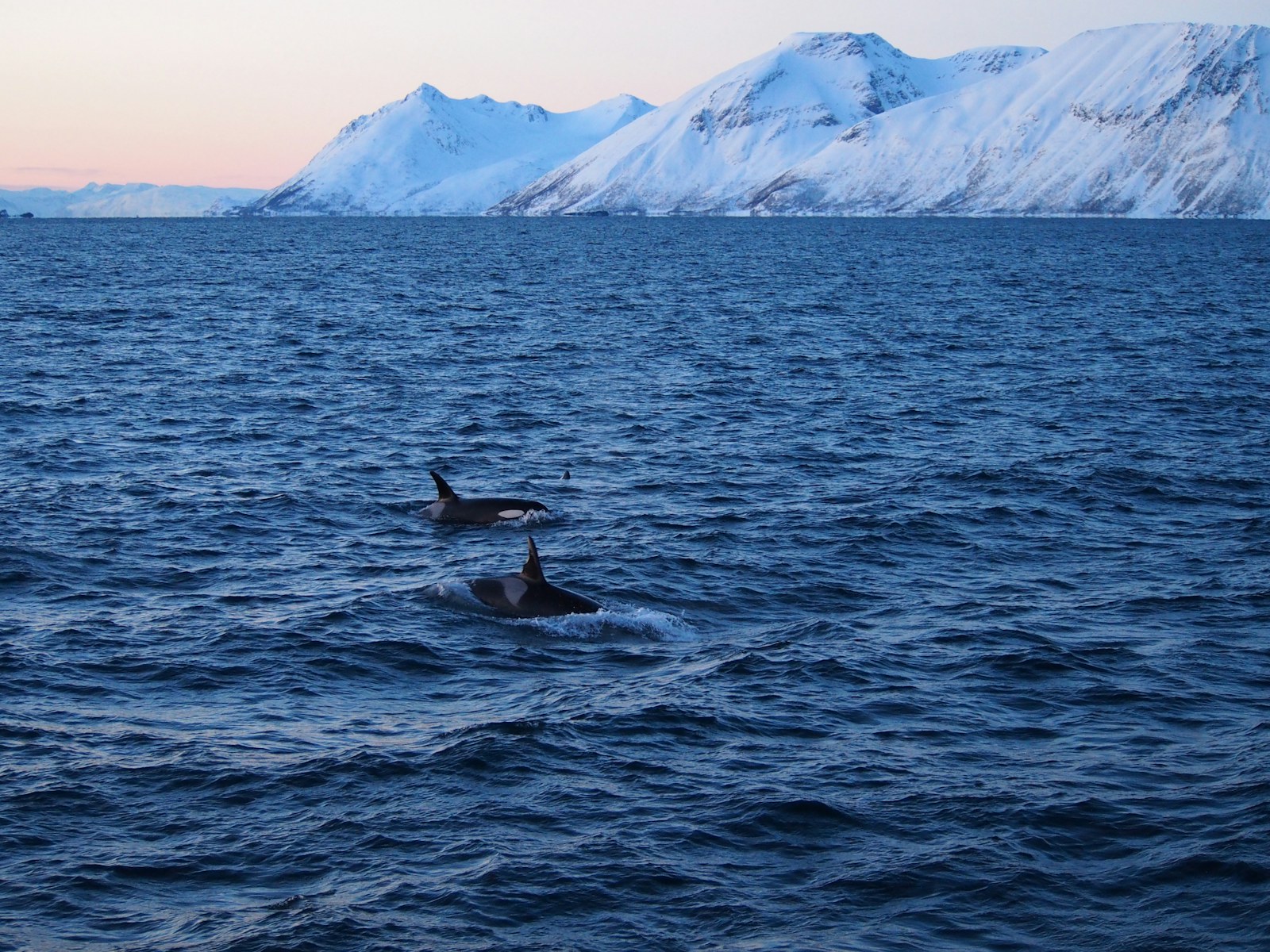
Best time for whale watching
Can you combine whales, snow and northern lights? The usual whale season from November to January can overlap with dark evenings and snow activities. January is a useful starting point, but check whale departures and snow-tour dates before booking flights.
The usual season runs from November to the end of January, sometimes into early February. The whales follow their food, so the location, exact dates and sightings vary.
Check current departures before planning a trip around whales, and allow a full day for many tours from Tromsø.
Best time for the midnight sun
The midnight sun usually lasts from around 20 May to 22 July in Tromsø, when the sun stays above the horizon at night. Cloud, mountains and your viewpoint can affect whether you see it directly.
Summer is a good fit for long evenings, coastal trips and outdoor activities, though weather can still be cool and changeable.
Autumn: dark evenings and changing colours
Autumn can be appealing if you want darker evenings without depending on a snowy city. September and October offer opportunities for aurora watching, city time and fjord trips.
Weather can change quickly, and an autumn husky experience may use wheels rather than snow. Check the specific activity before booking.
Winter: polar night and returning daylight
From late November to mid-January, the sun stays below the horizon during polar night. There is still twilight around midday; the available light then grows through the later winter months.
Choose December or early January for the polar-night atmosphere, or compare February and March if you prefer more daylight for daytime outings.
Relevant activities
An outing for the season you choose
These are alternatives for different trips: an aurora attempt on a dark night or a coastal road trip during the summer light.
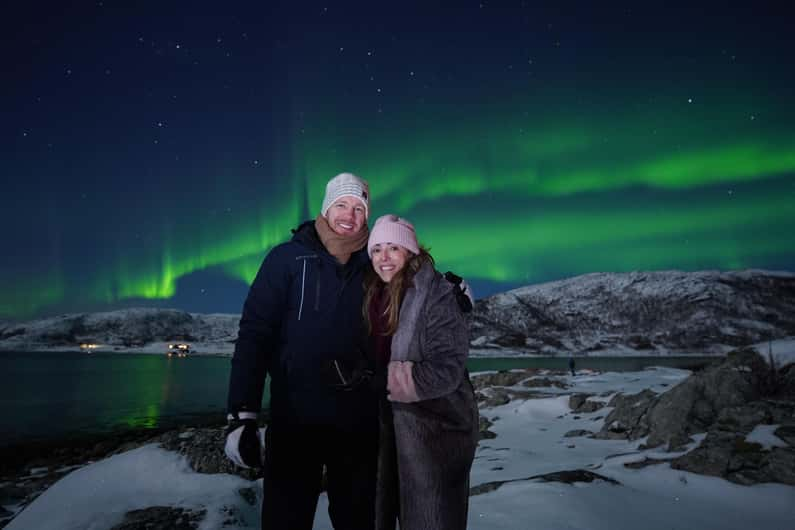 For dark eveningsLong-range small-group northern lights chaseA mobile aurora chase for autumn or winter dates; a sighting is never guaranteed.Indicative price €166 per personCheck availability ↗︎
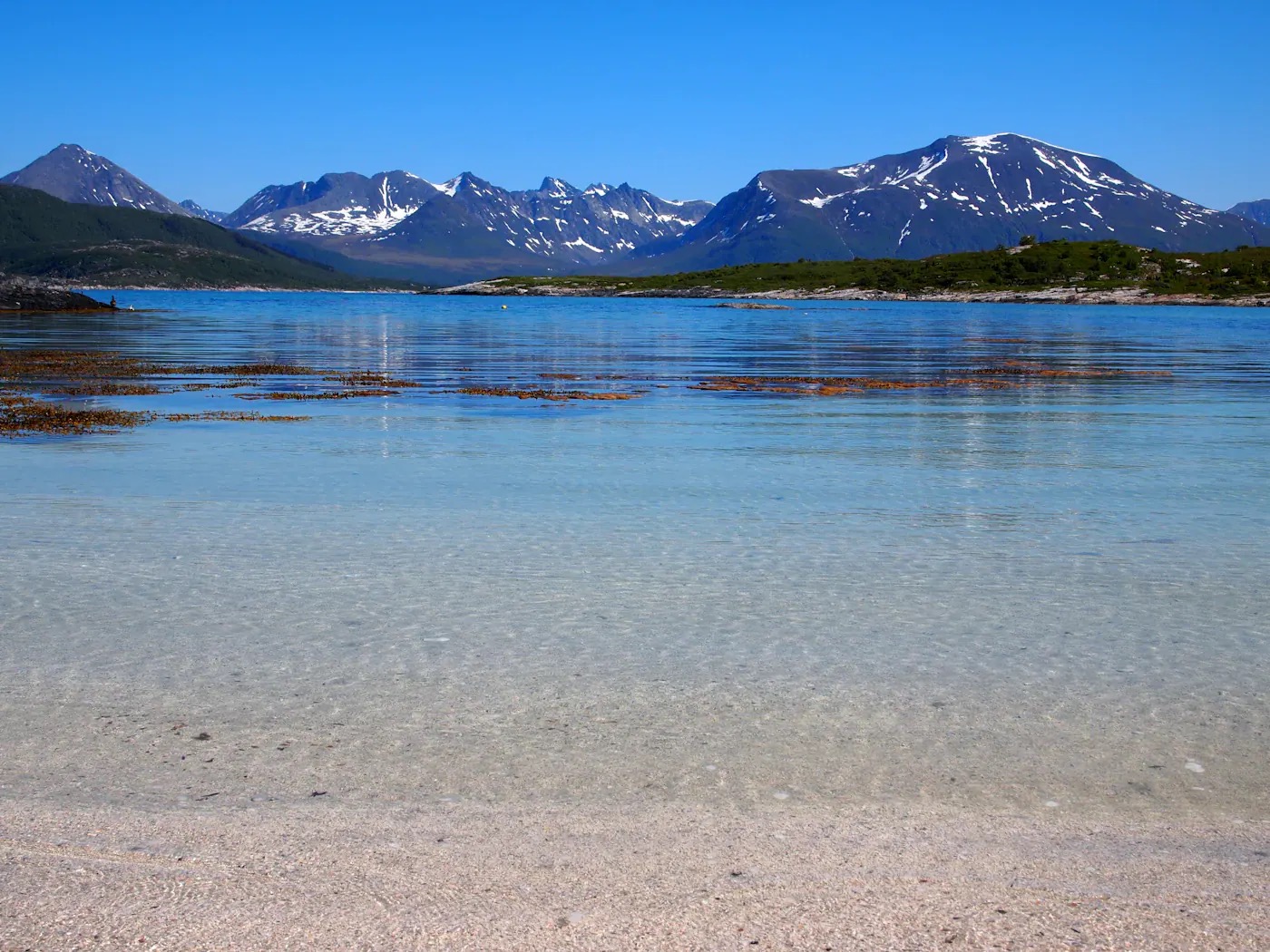 For summer eveningsSmall-group Sommarøy midnight sun tourA small-group drive towards Sommarøy when the long summer light is the reason for your trip.Check current priceCheck availability ↗︎
Spring and summer: longer days
Spring brings increasing daylight and changing trail conditions; some mountain paths can retain snow. Summer brings long bright nights, fjord excursions and outdoor time.
Pack layers throughout the year and check the weather and route conditions. Midnight-sun weeks are too bright for typical aurora viewing.
Things to do in Tromsø in January, February and March
January: Plan an aurora evening, a reindeer visit or dog sledding when conditions allow. The sun returns during the month; early January has polar-night twilight. Whale tours may still operate, but check the exact departure and allow a full day.
February: Use the extra daylight for a fjord trip or a visit to Fjellheisen, and leave an evening free for the northern lights. Dog sledding and other snow activities are popular; compare the actual time outdoors, transfers and age rules.
March: Longer days make a coastal drive or a snowshoe outing appealing, while evenings may still be dark enough for an aurora attempt. Snow and tour end dates vary, particularly late in the month.

Things to do in Tromsø in April, May and June
April: Enjoy the returning spring light on a fjord outing or a city walk. Early April may still offer dark enough evenings for aurora viewing, but the window closes as nights brighten. Check whether your chosen snow activity is still operating.
May: Explore Tromsø, take a coastal road trip or visit a museum while the landscape changes towards spring. The midnight sun begins around 20 May; higher trails can still have snow, so choose walks for the actual conditions.
June: The midnight sun makes an evening fjord cruise or a coastal excursion possible without rushing back before dark. Consider kayaking or an accessible walk, but check weather, transport and route conditions first.
Things to do in Tromsø in July, August and September
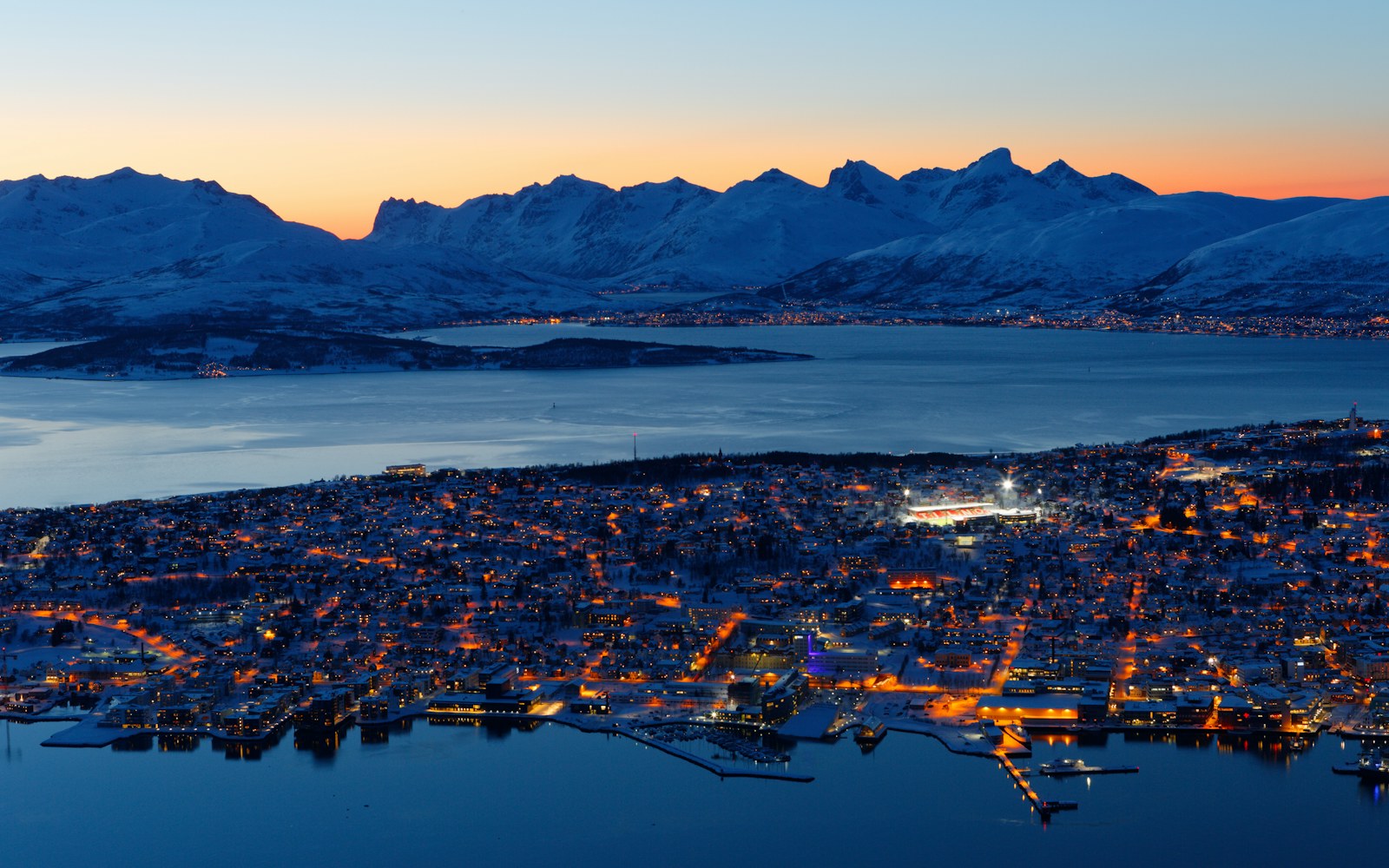
July: Make the most of long days with a boat trip, a visit to Sommarøy or a walk suited to your experience. The midnight sun normally ends around 22 July, although evenings remain bright afterwards.
August: Combine fjords, city attractions and outdoor time. As the month progresses, nights darken; an aurora may be possible towards the end of August when the sky is dark and clear enough, but do not expect a winter landscape.
September: Autumn colour, fjord trips and dark evenings make a varied itinerary possible. Allow several nights for an aurora attempt, and check trail, weather and transport conditions before heading outside.
Things to do in Tromsø in October, November and December
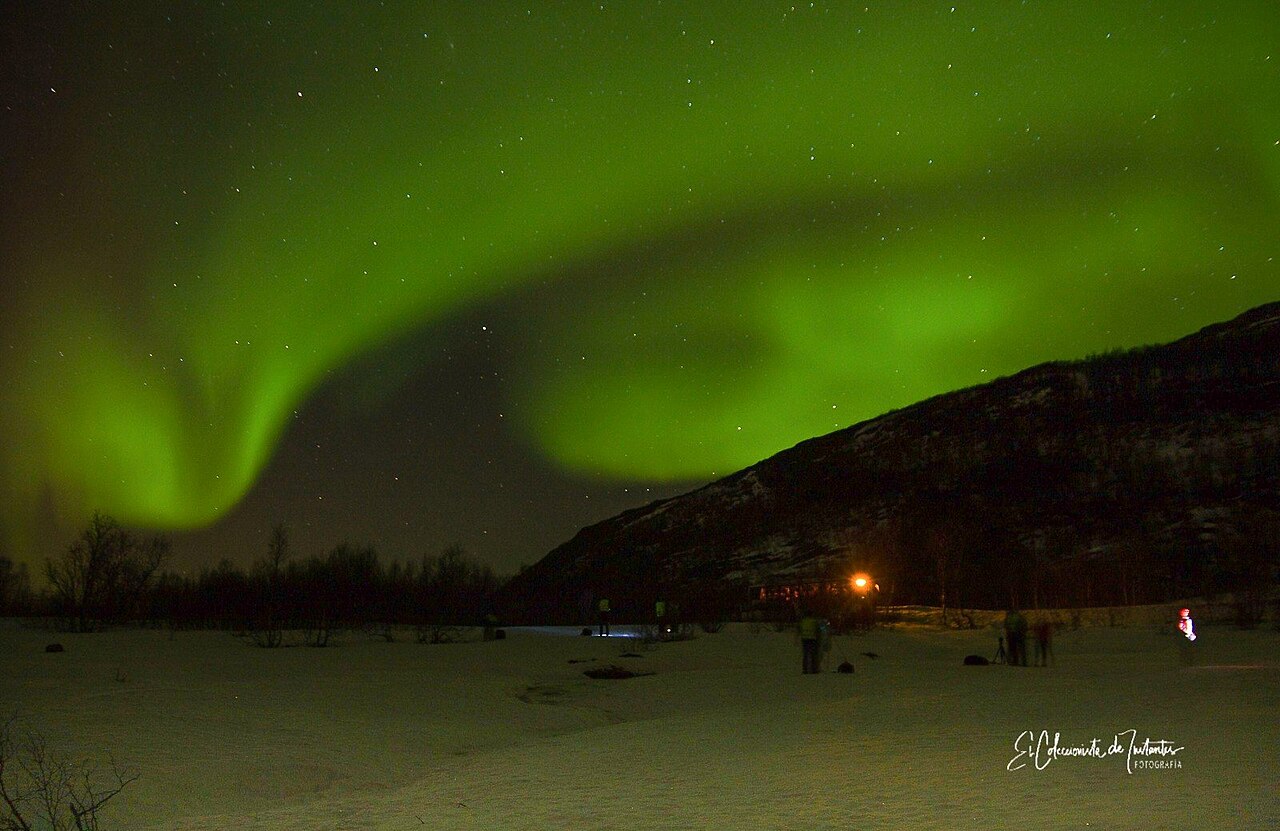
October: Pair a northern lights chase with city sightseeing or a fjord trip. Snow can arrive, but it is too early to assume snow-based dog sledding is operating; check whether an advertised experience uses wheels, sleds or another format.
November: Dark evenings make aurora outings possible and whale-watching departures usually begin during the season. Snow activities start on different dates depending on the operator and conditions, and polar night begins late in the month.
December: Plan sightseeing around midday twilight, then consider an aurora chase or a seasonal whale trip. Check opening hours and tour schedules around Christmas, and leave a flexible day for weather changes.
How to choose your dates
Start with the experience you would most regret missing, then check its season and available departures. Consider daylight, holiday dates and your preferred pace as well as the weather.
Build a flexible itinerary: a spare evening can help with an aurora attempt, while an indoor option is useful when the forecast changes.
Common questions
FAQ
What is the best month to visit Tromsø?
For a first winter trip, February or March often balances snow activities, daylight and dark evenings. Choose December for Polar Night or June and July for the midnight sun instead.
When is the best time to see northern lights in Tromsø?
Dark nights are normally available from around late August into early April. A sighting still depends on cloud and auroral activity, so plan several possible evenings.
Is Tromsø completely dark during Polar Night?
No. The sun does not rise, but twilight can brighten the sky around midday. The amount of useful light changes across the season.
When is the midnight sun in Tromsø?
The usual period is about 20 May to 22 July. Exact daylight changes by date; check a current sun table for your trip.
Can I see whales, deep snow and northern lights in the same month?
They can overlap in parts of winter, but not reliably on every date. Whale movements, snowfall and cloud vary, so prioritise the experience you would least want to miss.
Is March still a good time to visit Tromsø?
Yes if you want more daylight with possible snow activities and dark evenings. Check your chosen operator’s season and the exact daylight for your dates.